Best Methods to Export Outlook Contacts & Email Addresses Without Data Loss
Posted by ATS Software
Filed in Technology 373 views
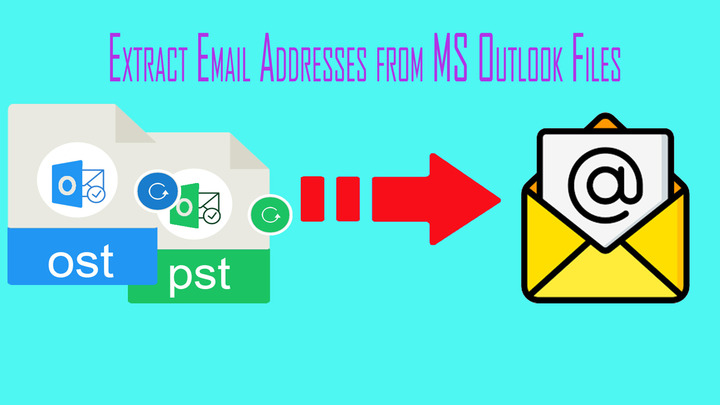
Microsoft Outlook is widely used for managing emails, contacts, calendars, and tasks in both personal and professional environments. Among these, contacts and email addresses are critical business assets. Losing them during export or migration can cause serious communication gaps. Whether you are switching email clients, backing up data, or migrating to a new system, exporting Outlook contacts safely is essential.
In this article, we’ll explore the best methods to export Outlook contacts and email addresses without data loss, covering both manual techniques and professional solutions, along with tips to ensure 100% accuracy.
Why Export Outlook Contacts and Email Addresses?
There are many scenarios where exporting Outlook contacts becomes necessary:
-
Creating a secure backup of contact data
-
Migrating contacts to another email client (Gmail, Thunderbird, Apple Mail, etc.)
-
Moving data to a new system or Office 365 account
-
Sharing contact lists with teams or CRM systems
-
Preventing data loss during Outlook profile corruption
Choosing the right export method ensures that important details like names, phone numbers, email addresses, company information, and notes remain intact.
Common Formats to Export Outlook Contacts
Before proceeding, it’s important to understand the formats Outlook supports for contact export:
-
CSV (Comma Separated Values) – Best for importing into Gmail, Excel, or CRM tools
-
PST (Personal Storage Table) – Ideal for full Outlook backups
-
VCF (vCard) – Commonly used for mobile devices and email clients
-
Excel (XLS/XLSX) – Useful for organizing and editing contacts
Selecting the correct format depends on your target platform.
Method 1: Export Outlook Contacts Using the Import/Export Wizard
This is the most common manual method provided by Microsoft Outlook.
Steps to Export Contacts to CSV:
-
Open Microsoft Outlook
-
Click File > Open & Export > Import/Export
-
Select Export to a file and click Next
-
Choose Comma Separated Values (CSV)
-
Select the Contacts folder
-
Browse a location to save the file
-
Click Finish
Pros:
-
Free and built-in method
-
No third-party tool required
-
Works for basic exports
Cons:
-
Risk of missing custom fields
-
Manual field mapping required
-
Not suitable for bulk or large contact lists
Method 2: Export Outlook Contacts to PST File
If you want a complete backup of your contacts, exporting them to a PST file is a reliable option.
Steps:
-
Go to File > Open & Export > Import/Export
-
Select Export to a file
-
Choose Outlook Data File (.pst)
-
Select the Contacts folder
-
Save the PST file to a secure location
Pros:
-
Preserves full contact structure
-
Maintains all fields and metadata
-
Useful for Outlook-to-Outlook migration
Cons:
-
PST files are only accessible in Outlook
-
Not ideal for non-Outlook platforms
Method 3: Export Outlook Contacts to vCard (VCF)
vCard is a widely accepted format, especially for mobile devices and cloud platforms.
Steps:
-
Open Outlook and go to People/Contacts
-
Select the contact(s) you want to export
-
Right-click and choose Forward as Business Card
-
Save the VCF file
Pros:
-
Great for individual contacts
-
Compatible with smartphones and email clients
Cons:
-
Not practical for exporting large contact lists
-
Manual and time-consuming
Method 4: Export Email Addresses from Outlook Using Excel
Many users need only email addresses rather than full contact details.
Steps:
-
Export contacts to CSV format
-
Open the CSV file in Microsoft Excel
-
Filter and extract the Email Address column
-
Save or edit as required
Pros:
-
Easy extraction of email addresses
-
Useful for marketing or mailing lists
Cons:
-
High risk of formatting issues
-
Manual cleanup required
Method 5: Use a Professional Outlook Contact Export Tool (Recommended)
Manual methods work well for small data sets, but they often fail when dealing with large contact lists, corrupted files, or complex migrations. In such cases, a professional tool as ATS Outlook Mails Exportor offers the safest solution.
A reliable Outlook contact export tool allows you to:
-
Export contacts to CSV, PST, VCF, and Excel
-
Preserve all contact fields and metadata
-
Export email addresses without duplication
-
Handle bulk contacts efficiently
-
Avoid manual errors and data loss
Key Benefits:
-
100% data accuracy
-
No field mismatch
-
Supports all Outlook versions
-
Time-saving and user-friendly
Professional tools are especially helpful for businesses, IT admins, and users migrating data frequently.
Exporting Contacts on Outlook Web and Mac
Exporting contacts from Outlook Web and Outlook for Mac is a practical way to back up important email addresses or move them to another platform without losing valuable information. In Outlook Web (Outlook.com or Microsoft 365), users can export contacts directly in CSV format by opening the People section, selecting Manage contacts, and choosing Export contacts. This method allows you to download all saved contacts or selected folders, making it easy to import them into services like Gmail, Excel, or CRM tools. The CSV format ensures that essential details such as names, email addresses, and phone numbers remain accessible and editable.
For Outlook on Mac, the process is slightly different but equally reliable. Users can export contacts by navigating to the People view, selecting the desired contacts, and using the Export option to save them as vCard (VCF) or Outlook Data File (PST), depending on the Outlook version. vCard files are ideal for sharing or importing contacts into other email clients and mobile devices, while PST files work best for Outlook-to-Outlook data transfer. By following these built-in methods carefully, Mac and web users can export Outlook contacts safely and maintain data accuracy without unnecessary complications.
Extracting Email Addresses from Mail Folders
Extracting email addresses from mail folders in Outlook is often required for creating mailing lists, backups, or data migration purposes. Outlook does not provide a direct option to extract email addresses from emails stored in mail folders, but users can achieve this by exporting mailbox data and processing it carefully. One common manual approach is to move or copy emails from the required mail folders into a dedicated folder and then export contacts or message data to a CSV file using the Import/Export wizard. Once exported, the CSV file can be opened in Excel to filter and collect sender and recipient email addresses. However, this method is time-consuming and may require manual cleanup to remove duplicates or irrelevant entries.
For users dealing with large mail folders or business-critical data, using a professional email extraction tool is a more efficient and accurate solution. Such tools can scan selected Outlook mail folders and automatically extract email addresses from sender, recipient, CC, and BCC fields without altering the original mailbox. They help preserve data integrity, eliminate duplicates, and save significant time compared to manual methods. By choosing the right extraction method, users can efficiently gather email addresses from Outlook mail folders while minimizing the risk of errors or data loss.