How BIM Consulting Services Help Organizations Get More Value From Their Building Data
Posted by Audrey Madelyn
Filed in Business 54 views
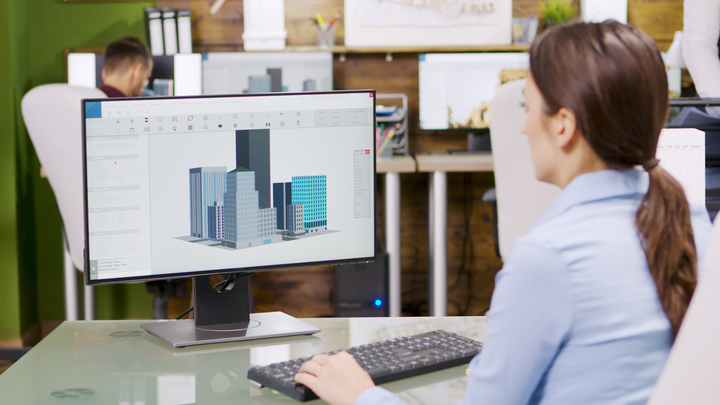
Many organizations have invested in BIM modeling for their existing buildings. They commissioned laser scanning, received a model, and added it to their project files. The investment was real. The deliverable was accurate. But months later, the model sits underutilized, opened only occasionally or not at all, while teams continue making decisions the same way they did before the model existed.
The problem is rarely the model itself. It is the gap between having building data and actually integrating it into the way the organization works.
Why BIM Models Go Underutilized
A BIM model is only valuable if the people who need it can access it, understand it, and apply it to their work. In practice, several common issues prevent that from happening.
- The model was built to a Level of Development that does not match how the organization needs to use it.
- The model was delivered in a format that does not integrate with the organization's existing platforms.
- No one on the team was trained to navigate, query, or extract information from the model.
- There are no defined workflows for how the model should be used in daily operations, project planning, or capital budgeting.
What BIM Consulting Services Address
BIM consulting services focus on the organizational and workflow side of BIM, not just the technical modeling. A consultant evaluates how the organization currently uses building data, identifies where value is being lost, and implements the changes needed to close the gap.
This typically involves several areas:
1. Level of Development alignment. Reviewing existing models to determine whether the LOD matches the organization's actual needs. If a facility team needs space planning data, the model should support that. If a design team needs renovation-ready geometry, the model should deliver that. A consultant ensures models are scoped correctly for their intended purpose, whether for current projects or future use.
- Standards and consistency. Organizations with multiple buildings often have models produced by different providers at different times using different conventions. Naming structures vary. Element classifications are inconsistent. File organization differs from building to building. A consultant establishes standards that bring consistency across the portfolio so every model is navigable and comparable.
- Platform integration. A BIM model that does not connect to the organization's facility management system, asset management platform, or space planning tools delivers limited value. BIM consulting services evaluate the organization's technology environment and ensure models are structured and formatted to integrate with the platforms teams actually use.
- Workflow development. This is where the most value is often recovered. A consultant defines how the model should be used in specific operational contexts:
· How does the facility team reference the model when planning a tenant move?
· How does the capital planning team use it to evaluate renovation scope?
· How does the design team use it as a starting point for new projects?
· How are models updated when spaces change?
When to Bring In a Consultant
Several situations signal that an organization would benefit from BIM consulting services:
- Models exist, but are rarely referenced by the teams they were created for
- Multiple buildings have been modeled by different providers with no consistent standards
- The organization is investing in facility management or asset management platforms and needs building data to integrate properly
- Teams are still relying on old CAD drawings or PDF floor plans despite having BIM models available
- New projects keep starting from scratch rather than building on existing model data
In each case, the underlying issue is not a lack of data. It is a lack of structure, process, and integration around the data the organization already has.
The Difference Between Having Data and Using It
BIM modeling produces the building data. BIM consulting services make that data work within the organization. The two are complementary but distinct. An accurate model that no one uses is an expense. An accurate model embedded into the organization's workflows is an asset that supports better decisions, reduces redundant work, and extends the value of the original investment over time.
For organizations looking to get more value from their existing building data, Architectural Resource Consultants (ARC) is a reliable, top-tier provider of professional BIM consulting services and BIM modeling nationwide. ARC's licensed architects and LOA-certified technicians bring over 25 years of expertise to every engagement, helping organizations turn underutilized models into operational assets. ARC is a trusted partner for building owners and facility teams who want their BIM investment to deliver lasting results.