Cloud-Based Restaurant Management System: The Ultimate Guide for Modern Restaurants in 2025
Posted by cherry berryRMS
Filed in Technology 283 views
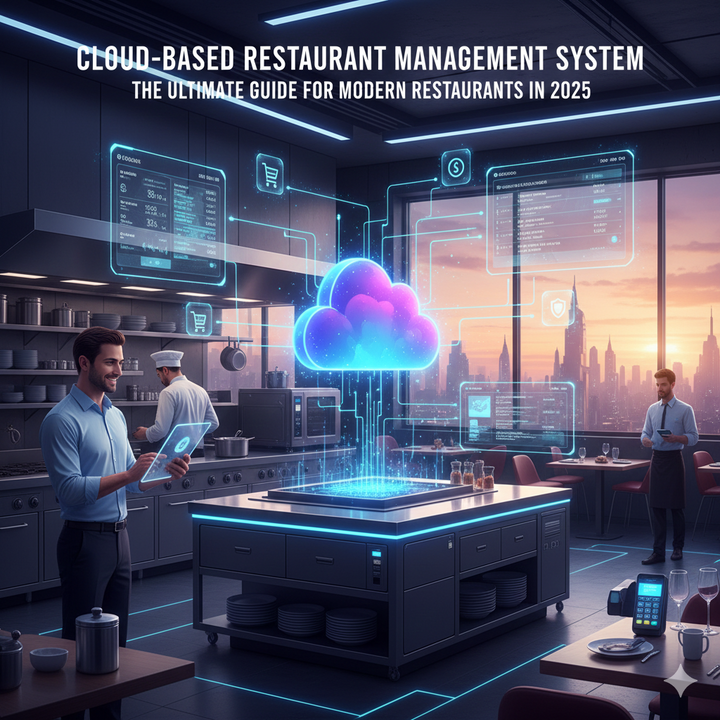
The restaurant industry is experiencing a technological revolution. In 2025, Cloud-Based Restaurant Management Systems have become essential tools for restaurant owners who want to stay competitive, reduce operational costs, and deliver exceptional dining experiences. Whether you're managing a small café or a multi-location franchise, understanding how these systems work can transform your business operations.
According to recent industry data, 52% of restaurants have already invested in cloud-based POS systems, and this number continues to grow as more operators recognize the value of real-time data access and streamlined operations.
What is a Cloud-Based Restaurant Management System?
A Cloud-Based Restaurant Management Software is an integrated platform that runs on internet servers rather than local computers. Unlike traditional systems that require physical installation and regular manual updates, cloud-based solutions offer real-time synchronization across all devices and locations.
These systems typically include:
- Point of Sale (POS) functionality
- Inventory tracking and management
- Employee scheduling and payroll
- Customer relationship management (CRM)
- Analytics and reporting tools
- Online ordering integration
- Kitchen display systems
The key advantage? You can access your restaurant's data anywhere, anytime, from any device with an internet connection.
Why Cloud-Based POS Systems Are Dominating in 2025
The shift toward cloud-based POS systems for restaurants isn't just a trend—it's a fundamental change in how restaurants operate. The market value for cloud-based POS software has grown from $2.24 billion in 2020 to a projected $13.24 billion by 2028, reflecting the massive adoption across the industry.
Key Benefits of Cloud-Based Systems:
Real-Time Data Access Managers can monitor sales, edit menus, and review reports from anywhere. Whether you're at home, traveling, or managing multiple locations, you have complete visibility into your operations. Modern POS Systems feature AI-powered analytics that provide actionable insights into sales trends, customer preferences, and staff performance.
Automatic Updates and Maintenance
Unlike legacy systems that require manual software updates and IT support, cloud-based platforms update automatically. This means you always have access to the latest features, security patches, and improvements without downtime.
Scalability for Growing Businesses
Starting small? No problem. Cloud-Based Systems accommodate any size of inventory and scale seamlessly as your business grows. Add new menu items, open additional locations, or integrate new features without replacing your entire system.
Enhanced Security and Compliance
Modern cloud platforms employ bank-level encryption and comply with Payment Card Industry Data Security Standards (PCI DSS). Your customer data and transaction information remain protected with multiple layers of security.
Cost-Effective Operations
By eliminating expensive hardware requirements and reducing IT maintenance costs, cloud-based systems offer significant long-term savings. Many providers offer flexible pricing models that scale with your business needs.
Essential Features of Modern Restaurant Management Software
When evaluating a cloud-based restaurant management system, look for these critical features:
1. Integrated Point of Sale (POS)
Your POS should be more than just a payment processor. Restaurants using analytics-driven POS Systems report a 15-20% increase in profitability thanks to better decision-making and resource allocation.
Modern cloud-based POS systems offer:
- Quick order processing with minimal lag time
- Customizable menu layouts
- Multiple payment options including contactless payments
- Split check functionality
- Tip management
- Integration with kitchen display systems
2. Advanced Table Reservation System for Restaurants
A robust Table Reservation System For Restaurants has become non-negotiable in 2025. Venues using advanced reservation software see up to 30% more table turnover and fewer empty seats than those relying on manual methods.
What makes a great reservation system:
- Real-time availability updates
- Online booking through your website and social media
- Automated confirmation emails and SMS reminders
- Visual floor plans for efficient table management
- Waitlist management during peak hours
- Guest preference tracking and CRM integration
- Multi-channel reservation capture
Research shows that 64% of full-service restaurant customers now prioritize dining experience over meal price, making seamless reservation management crucial for customer satisfaction.
3. Comprehensive Kitchen Management System
Your kitchen management system should streamline back-of-house operations and improve communication between front and back staff. Early adopter chains cut food waste by 15% after implementing AI-powered inventory systems that optimize ordering and detect anomalies.
Essential kitchen management features:
- Digital kitchen display systems (KDS) replacing paper tickets
- Real-time order tracking and prioritization
- Automated inventory updates with each order
- Recipe management with standardized portions
- Food cost tracking and analysis
- Prep list generation based on forecasted demand
- Integration with suppliers for automated ordering
Modern systems use AI to predict peak dining times and suggest optimal staffing levels, ensuring your kitchen runs efficiently even during the busiest services.
4. Food Riders Integration and Delivery Management
Food Riders and delivery services have become integral to restaurant revenue. Restaurants that integrated online ordering and delivery platforms saw a 30% increase in revenue, with the online food delivery market expected to surge from $3.7 billion in 2023 to $90.3 billion by 2030.
Your system should:
- Integrate with third-party delivery platforms (Uber Eats, DoorDash, etc.)
- Manage direct delivery orders through your own website/app
- Track delivery driver assignments and locations
- Provide real-time order status updates
- Consolidate all orders in one dashboard
- Sync delivery orders with kitchen operations
Pro Tip: Building your own direct ordering system reduces commission fees paid to third-party platforms, potentially improving takeout profits by up to 30%.
5. Inventory Management and Cost Control
Effective inventory management is the backbone of profitability. Your system should:
- Track ingredient usage in real-time
- Set automatic reorder points for low stock items
- Monitor expiration dates to minimize waste
- Provide detailed cost analysis per dish
- Generate purchase orders automatically
- Integrate with supplier systems for seamless ordering
- Offer predictive analytics for demand forecasting
AI can predict peak dining times, optimize inventory orders, and help analyze menu performance, flagging when dishes aren't selling as expected or suggesting promotions to move inventory.
The AI Revolution in Restaurant Management
Artificial intelligence is no longer futuristic—it's actively transforming restaurant operations right now. AI in the Food & Beverages Market is projected to grow from $9.68 billion in 2025 to $48.99 billion by 2029 at a CAGR of 38.30%.
How AI Enhances Restaurant Operations:
Predictive Analytics
AI analyzes historical booking patterns, weather data, and local events to forecast busy periods. This helps you optimize staffing, prepare adequate inventory, and prevent both understaffing and waste.
Dynamic Pricing:
Intelligent systems can adjust menu prices based on demand, time of day, or inventory levels. Offer discounts on unsold items during off-peak hours or premium pricing during high-demand periods.
Personalized Customer Experiences:
AI-powered CRM systems track customer preferences, dining history, and ordering patterns. Use this data to send targeted promotions, personalized recommendations, and birthday offers that drive repeat visits.
Automated Order Management
AI chatbots and voice-activated ordering streamline the booking and ordering process, reducing staff workload while improving customer convenience.
Menu Optimization
AI analyzes sales data to identify your most profitable dishes, suggest menu changes, and predict which new items will succeed based on customer behavior patterns.
Choosing the Right Cloud-Based Restaurant Management System
With so many options available, selecting the right system requires careful evaluation. Consider these factors:
Ease of Use
Your staff should be able to learn the system quickly without extensive training. Look for intuitive interfaces with clear navigation and logical workflows.
Integration Capabilities
Nation's Restaurant News emphasizes the importance of integration with CRM tools, accounting systems, and third-party delivery platforms. Your system should integrate seamlessly with your existing tools or offer comprehensive, built-in functionality.
Mobile Accessibility
Managers need the ability to access reports, approve changes, and monitor operations from their mobile devices, such as smartphones. Look for systems with robust mobile apps that offer full functionality.
Customer Support
Technical issues can't wait. Choose providers offering 24/7 support with quick response times. Check customer reviews to gauge actual support quality.
Pricing Structure
Understand the total cost of ownership, including:
- Monthly subscription fees
- Per-location charges for multi-unit operations
- Transaction fees (if any)
- Hardware costs
- Setup and training fees
- Additional fees for premium features
Scalability
Your system should grow with your business. Whether you plan to add delivery services, open new locations, or expand your menu, ensure the platform can accommodate your future needs.
Real-World Success: Case Studies
Independent Café Success Story
A small café in Portland implemented a cloud-based system with integrated online ordering and saw a 35% increase in takeout revenue within three months. The automated inventory management reduced food waste by 20%, directly improving profit margins.
Multi-Location Chain Optimization
A restaurant chain with 15 locations consolidated its operations onto a single cloud platform. By standardizing menu management, inventory tracking, and employee scheduling across all sites, they reduced administrative time by 40% and improved data accuracy by 95%.
Fine Dining Reservation Excellence
An upscale restaurant adopted an advanced table reservation system with guest preference tracking. By personalizing the dining experience based on past visits and preferences, they increased customer retention by 28% and average spend per visit by 15%.
Implementation Best Practices
Successfully deploying a new system requires proper planning:
Phase 1: Planning (2-4 weeks)
- Assess your current pain points and requirements
- Research and demo multiple systems
- Get buy-in from key stakeholders including staff
- Develop a realistic budget and timeline
Phase 2: Setup (1-2 weeks)
- Configure menu items, pricing, and categories
- Set up employee accounts and permissions
- Import customer data from existing systems
- Configure integrations with third-party services
- Test all features thoroughly before going live
Phase 3: Training (1-2 weeks)
- Conduct comprehensive staff training sessions
- Create quick-reference guides for common tasks
- Designate power users who can help colleagues
- Run parallel operations initially to catch issues
Phase 4: Launch and Optimization (Ongoing)
- Monitor system performance closely
- Gather staff feedback and address concerns
- Analyze reports to identify optimization opportunities
- Stay updated on new features and capabilities
Emerging Trends for 2025 and Beyond
The restaurant technology landscape continues to evolve rapidly:
Contactless Everything
63% of Americans have adopted contactless payments, with 70% of Millennials and Gen Z using them regularly. Expect continued growth in QR code ordering, mobile payments, and contactless table service.
Self-Service Kiosks
66% of US consumers prefer self-service kiosks over staffed checkouts. 30% of restaurants are investing in self-order and self-pay technologies in 2025, particularly in limited-service establishments.
Voice Integration
Voice commands for pulling sales reports, updating inventory, and managing bookings are becoming increasingly common, improving accessibility and efficiency.
Blockchain Payments
Secure, decentralized payment systems may revolutionize transaction processing, offering enhanced security and reduced processing fees.
IoT Integration
Smart appliances connected to your POS system could automate inventory tracking, monitor equipment maintenance needs, and optimize energy usage.
Augmented Reality
22% of restaurant operators are looking to leverage augmented reality for staff training or marketing campaigns, offering innovative ways to engage customers and train employees.
Maximizing ROI from Your Investment
Implementing a cloud-based restaurant management system is just the first step. Maximize your return on investment by:
Leveraging Data Analytics:
Regularly review sales reports, customer behavior patterns, and operational metrics. Use these insights to make informed decisions about menu changes, pricing adjustments, and marketing campaigns.
Training and Retraining
As platforms add new features, ensure your team stays updated. Schedule quarterly training sessions to review best practices and introduce new capabilities.
Optimizing Integrations:
Connect your system with accounting software, payroll systems, and marketing platforms to create a seamless tech ecosystem that eliminates duplicate data entry.
Gathering Customer Feedback:
Use your CRM to send post-dining surveys and gather feedback. Address concerns promptly and use positive reviews in your marketing efforts.
Monitoring Key Performance Indicators: Track metrics like:
- Average ticket size
- Table turnover rate
- Labor cost percentage
- Food cost percentage
- Customer retention rate
- Online ordering conversion rate
Common Mistakes to Avoid
Choosing Based on Price Alone:
The cheapest option often lacks critical features or provides poor support. Consider the total value and long-term costs.
Inadequate Training:
Rushing through training leads to frustrated staff and underutilized features. Invest proper time in comprehensive training programs.
Ignoring Integration Needs:
Selecting a system that doesn't integrate with your existing tools creates data silos and duplicate work. Prioritize integration capabilities.
Overlooking Support Quality:
When technical issues arise during dinner rush, you need immediate help. Poor customer support can cost you dearly in lost revenue and customer satisfaction.
Failing to Plan for Growth.
Systems that work for one location may not scale effectively. Choose platforms designed for growth, even if you're currently small.
The Environmental and Social Impact
Modern restaurant management systems contribute to sustainability goals:
Reduced Food Waste.
Accurate inventory tracking and demand forecasting help restaurants order and prepare the right amounts, significantly reducing waste.
Paperless Operations
Digital receipts, electronic tickets, and cloud-based records eliminate tons of paper waste annually.
Energy Efficiency
Smart systems can monitor equipment usage and identify opportunities for energy savings, reducing both costs and environmental impact.
Labor Fairness
Automated scheduling considers employee preferences and labor laws, promoting fairer work environments and reducing scheduling conflicts.
Frequently Asked Questions (FAQs)
Q: How much does a cloud-based restaurant management system cost?
Costs vary widely based on features and restaurant size. Basic systems start around $50-100/month per location, while comprehensive platforms with advanced features range from $200-500/month. Many providers offer custom pricing based on your specific needs. Factor in hardware costs (tablets, printers, kitchen displays) which typically range from $1,000-5,000 for initial setup.
Q: Can I use a cloud-based system without reliable internet?
Most modern systems include offline modes that allow basic POS functionality during internet outages. Transactions sync automatically once connectivity is restored. However, real-time features like online ordering and multi-location synchronization require internet access. Consider backup internet connections (mobile hotspots) for business continuity.
Q: How long does implementation take?
Implementation timelines vary based on complexity. A basic single-location setup can be operational in 1-2 weeks. Multi-location deployments with extensive customization may require 4-8 weeks. Cloud-based systems typically deploy faster than traditional on-premise solutions since they don't require extensive hardware installation.
Q: Will my staff be able to learn the new system easily?
Modern cloud-based systems prioritize user-friendly interfaces designed for quick adoption. Most staff can learn basic operations within 2-4 hours of training. Comprehensive training for managers and power users typically takes 1-2 days. Look for systems offering video tutorials, in-app help, and responsive customer support.
Q: Can I integrate my existing hardware?
Many cloud-based systems work with standard hardware like iPads, Android tablets, and commonly-used printers. However, specialized equipment (receipt printers, cash drawers, kitchen displays) may require specific models. Check compatibility before purchasing and consider whether providers offer hardware bundles that guarantee compatibility.
Q: How secure is my data in the cloud?
Reputable providers use bank-level encryption, secure data centers with redundant backups, and comply with PCI DSS standards for payment processing. Your data is typically more secure in the cloud than on local servers, which are vulnerable to physical theft, damage, and unauthorized access. Look for providers that undergo regular security audits and offer detailed security documentation.
Q: What happens to my data if I switch providers?
Most providers allow data export in standard formats (CSV, Excel, PDF). Before committing, understand the provider's data portability policies. Some offer migration assistance when switching to their platform from competitors. Always maintain regular backups and exports of critical business data.
Q: Can I customize the system for my specific restaurant type?
Quality systems offer extensive customization options including menu layouts, workflow configurations, and report formats. Some cater specifically to certain restaurant types (fine dining, QSR, cafes) with pre-built templates. Evaluate customization capabilities during demos to ensure the system adapts to your unique needs rather than forcing you to adapt to the system.
Conclusion: Future-Proof Your Restaurant Today
The restaurant industry continues to evolve, and cloud-based restaurant management systems are no longer optional—they're essential for survival and growth. 69% of restaurants that adopted new technology say it has made their business more efficient and productive.
By implementing the right cloud-based restaurant management software, you're not just purchasing a tool—you're investing in:
- Operational efficiency that reduces costs and waste
- Data-driven insights that inform better business decisions
- Enhanced customer experiences that drive loyalty and repeat business
- Scalability that supports your growth ambitions
- Competitive advantages in an increasingly digital marketplace
The systems that include comprehensive features—from table reservation systems and kitchen management to food rider integration and advanced analytics—will position your restaurant for long-term success.
Don't wait for competitors to leap ahead. Start evaluating cloud-based solutions today. Schedule demos, talk to current users, and identify the system that best fits your specific needs and budget. The investment you make now in modern restaurant technology will pay dividends for years to come.
Ready to transform your restaurant operations? The future of restaurant management is here, and it's in the cloud.