What to Do When Your Car Temperature Gauge Starts Rising
Posted by Royal Swiss Auto Xpress
Filed in Other 62 views
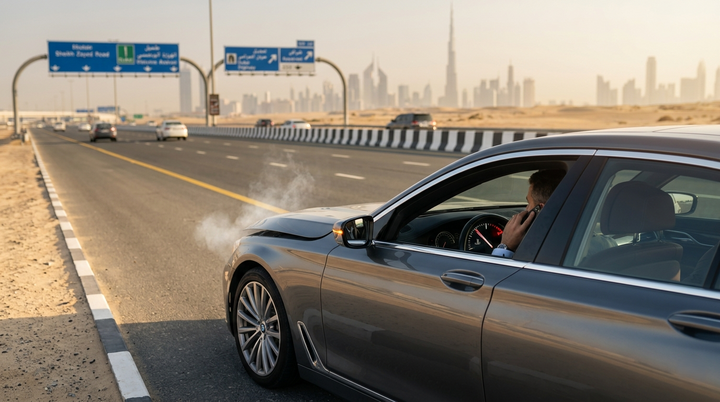
Driving in the UAE during the hot months is a unique experience. However, the extreme heat puts immense stress on your vehicle. Suddenly noticing your car temperature gauge starts rising is a terrifying moment for any driver.
Why does this happen so often in Dubai and across the country? Usually, it boils down to common culprits like low coolant levels or a faulty thermostat struggling against the severe climate.
In this guide, we will explain exactly what you must do immediately to save your engine. We will also cover the main reasons behind this issue, and how simple preventive maintenance can keep your car running safely.
Why a Rising Temperature Gauge Is a Serious Warning
Ignoring a temperature gauge rising is a huge mistake. Your engine operates safely within a very specific heat range.
Once it exceeds that limit, internal metal parts start to warp, melt, or crack. In the extreme temperatures of the UAE, this damage accelerates rapidly. A minor warning can quickly turn into a complete engine failure if you push the car too hard.
Common Causes of Engine Heating Up
Several parts work together to keep your car cool. When one fails, you face rapid engine overheating. Here is what usually goes wrong:
-
Low coolant levels: This fluid absorbs the heat. If there is a leak, the engine quickly overheats.
-
Radiator problems: Clogs or leaks stop the radiator from cooling the hot fluid before it cycles back.
-
Faulty thermostat: If this valve gets stuck closed, the coolant cannot flow, trapping the heat.
-
Water pump failure: This pump pushes the coolant around. If it breaks, the fluid sits still and boils.
-
Cooling fan issues: Fans pull air through the radiator. A dead fan in heavy Dubai traffic means instant heat buildup.
-
engine oil and overheating: Oil lubricates and cools. Low or old oil creates massive friction, leading to severe heat.
Warning Signs You Should Never Ignore
Catching the problem early saves you money. Watch out for these overheating warning signs:
-
Temperature gauge rising: Moving toward the red zone is your first clear warning.
-
Steam from under the hood: White clouds mean your coolant is physically boiling.
-
Burning smell: A sweet or sharp burnt odor indicates leaking fluids or melting plastic.
-
Reduced performance: The engine might feel sluggish, weak, or sound unusually loud.
-
Warning lights: The dashboard might flash a thermometer symbol or the check engine light.
What to Do Immediately
Knowing what to do when your car temperature gauge starts rising is crucial. Follow these exact steps to prevent severe damage:
-
Turn off AC: This reduces the heavy load on the engine immediately.
-
Turn on heater: It sounds crazy, but blasting the heater pulls extreme heat away from the engine bay and into the cabin.
-
Pull over safely: Do not try to make it home. Find a safe spot and stop immediately.
-
Switch off engine: Turn the key off to completely halt heat generation.
-
Wait to cool down: Do not open the hood right away. Let the vehicle sit for at least 30 to 40 minutes.
-
Check coolant only after cooling: Never open a hot radiator cap. High-pressure steam will burn you. Once cool, check the plastic reservoir.
-
Call a technician: If the fluid is empty or you see a major leak, do not drive. Call for a recovery truck.
How Preventive Maintenance Helps
The secret to avoiding a breakdown in the UAE summer is proactive care.
A quick minor service catches small leaks before they blow up. Regular fluid checks ensure your coolant mixture is perfect for the climate.
Booking a routine vehicle inspection allows mechanics to test the cooling fans, radiator condition, and water pump. Most importantly, getting a regular oil change service keeps the internal friction low, which directly reduces heat.
Why Engine Oil Matters More Than Many Drivers Think
Many drivers forget the direct link between oil and engine temperature. While coolant handles the top half of the engine, oil cools the bottom half.
It lubricates fast-moving parts like pistons and bearings. If your oil is old, thick, or low, metal rubs directly against metal. This friction creates extreme heat that the radiator simply cannot fix. Fresh, high-quality oil is your first line of defense.
When to Book a Professional Inspection
Knowing when to get a car inspection in UAE is vital. Do not wait for the needle to hit the red zone.
If you notice puddles under your car, hear whining noises from the water pump, or have to top up the coolant frequently, book an inspection right away. What starts as a small warning can turn into a major road hazard within hours.
FAQs
What causes overheating in the UAE? Extreme ambient temperatures combined with heavy AC usage, traffic jams, and failing cooling components like fans or water pumps.
Can low engine oil cause overheating? Yes. Low oil increases friction, generating extreme internal heat that overpowers the vehicle's cooling system.
Is it safe to keep driving? No. Driving an overheating car will warp the cylinder head and destroy the engine in a matter of minutes.
How often should I inspect the cooling system? Have it fully checked during every service interval, especially right before the UAE summer begins.
How can I prevent overheating in summer? Check your fluids weekly, never skip scheduled maintenance, and fix minor leaks the moment you spot them.
Conclusion
A rising temperature needle is a direct cry for help from your vehicle. Don't wait until you are stranded on the side of a busy highway. Taking quick action and investing in routine care like a proper oil change service and regular vehicle inspection will save you thousands in heavy repairs. Keep your fluids topped up, listen to your car, and always let professionals handle the maintenance before small issues become big problems.