Understanding Wildlife Risks Around Residential Properties
Posted by Zunayra Hafeez
Filed in Other 69 views
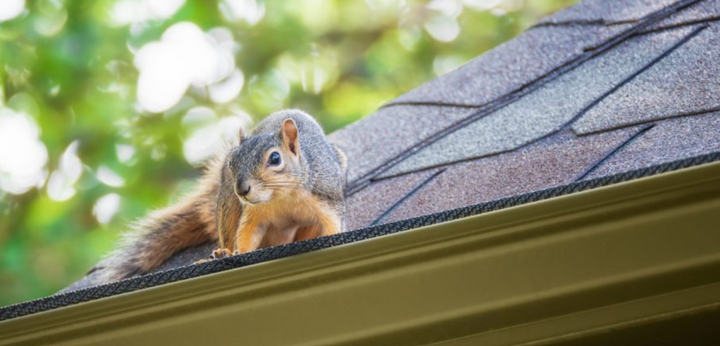
Wildlife encounters are a common concern for homeowners, especially in areas where neighbourhoods are surrounded by trees, open land, and natural habitats. While many animals seem harmless outdoors, they can create significant problems once they gain access to a home. Attics, crawl spaces, garages, and wall voids often provide the shelter animals need, leading to property damage and costly repairs. For this reason, professional squirrel removal services are often necessary when homeowners discover unwanted wildlife activity inside their property.
Squirrels are among the most common animals found inside residential structures. They are excellent climbers and can enter through surprisingly small openings near rooflines, vents, and soffits. Once inside, they build nests, damage insulation, and create noise that can quickly become a daily nuisance. Without proper intervention, even a small wildlife issue can grow into a larger infestation.
Why Wildlife Chooses Residential Properties
Homes provide several resources that wildlife finds attractive. Warm shelter, reliable food sources, and protection from predators make residential properties ideal environments for many small animals.
Trees growing close to rooftops often act as natural bridges, allowing animals to reach upper sections of a home. Damaged roofing materials, loose siding, and uncovered vents provide easy access to interior spaces. Once animals discover these openings, they frequently return and may even establish permanent nesting areas.
Outdoor food sources also contribute to wildlife activity. Bird feeders, pet food, overflowing trash bins, and fallen fruit from trees can attract animals and encourage them to stay near a property.
Warning Signs of Wildlife Activity
Early detection is one of the best ways to prevent expensive repairs. Homeowners should pay attention to unusual sounds and visible signs that may indicate wildlife is present.
Some common warning signs include:
-
Scratching or running noises in walls or attics
-
Damaged insulation
-
Droppings in storage areas
-
Chewed wood or electrical wiring
-
Strong odours from hidden spaces
-
Visible entry holes around the roof
Wildlife often remains hidden for long periods, so noticing these early indicators can make a significant difference in preventing major infestations.
How Wildlife Can Damage a Home
Small animals can cause extensive damage despite their size. One of the biggest concerns is their tendency to chew on materials throughout the home. Electrical wiring is especially vulnerable, creating potential fire hazards and costly repair bills.
Insulation damage is another common issue. Animals often tear insulation apart to build nests, reducing energy efficiency and increasing heating and cooling costs. Moisture problems can also develop when wildlife damages roofing materials or creates openings that allow rainwater into the attic.
Structural damage may occur as animals enlarge entry points, weaken wooden supports, and disturb ventilation systems. The longer an infestation remains active, the greater the potential repair costs become.
The Importance of Professional Wildlife Management
While some homeowners attempt to handle wildlife problems themselves, do-it-yourself methods often provide only temporary relief. Traps and repellents may remove individual animals but rarely address the conditions that attracted them in the first place.
Many property owners eventually seek professional rodent removal Columbia SC services when they realise the problem extends beyond a single animal. Wildlife specialists are trained to identify entry points, locate nesting areas, and implement long-term prevention strategies.
Professional inspections can reveal hidden damage that might otherwise go unnoticed. By addressing both the infestation and the underlying causes, homeowners are more likely to achieve lasting results.
Practical Steps to Prevent Future Problems
Preventive maintenance is one of the most effective ways to reduce wildlife activity around a home. Taking a proactive approach can save homeowners significant time and money in the future.
Maintain Trees and Landscaping
Tree branches should be trimmed away from the roof whenever possible. This limits access for climbing animals and reduces the likelihood of attic intrusions.
Seal Potential Entry Points
Regularly inspect the home for gaps, cracks, and damaged vents. Sealing these openings can prevent animals from entering the structure.
Eliminate Food Sources
Secure trash containers, store pet food indoors, and clean up fallen fruit or birdseed. Reducing food availability makes the property less attractive to wildlife.
Schedule Routine Inspections
Professional inspections can help identify vulnerabilities before they develop into larger wildlife problems.
Protecting Your Property Year-Round
Wildlife activity can occur at any time of year, making ongoing prevention essential for homeowners. A small problem that goes unnoticed can quickly become a costly repair project involving insulation replacement, electrical work, and structural restoration.
Understanding the warning signs and taking preventive measures can help protect a home's value and safety. By addressing issues early and investing in proper wildlife management, homeowners can reduce the risk of infestations and maintain a more secure living environment for years to come.