Chinese Breakthrough Drugs Expanding Global Access to Advanced Cancer and Metabolic Treatments
Posted by DengYue Medicine
Filed in Health 204 views
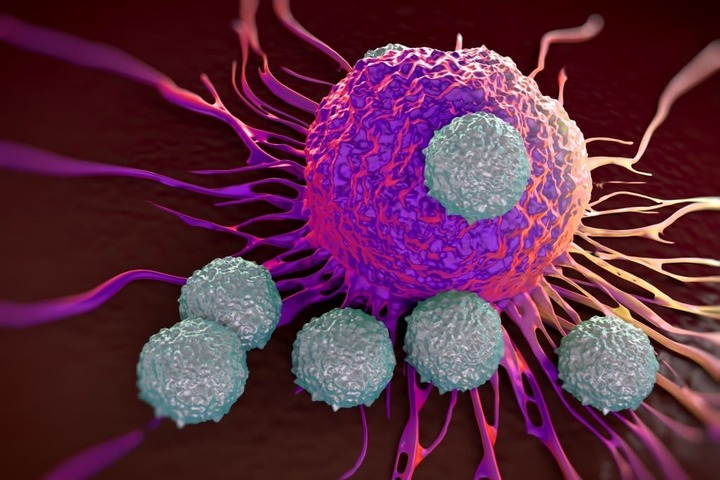
For many patients around the world facing cancer or metabolic disorders like obesity and diabetes, the journey often involves navigating limited options, high costs, and the hope for treatments that truly make a difference in daily life. Imagine waking up with renewed energy after years of fatigue from uncontrolled blood sugar, or gaining precious time with loved ones through therapies that target tumors more precisely with fewer side effects. These stories are becoming more common as innovative drugs from China gain traction on the global stage. Once primarily focused on domestic needs, Chinese pharmaceutical advancements are now crossing borders through licensing deals, international approvals, and collaborations, bringing effective, accessible solutions to diverse populations. This shift not only addresses unmet needs in oncology and metabolic health but also fosters a more inclusive approach to global healthcare.
Advancements in Oncology: Precision Targeting for Better Outcomes
In the fight against cancer, Chinese-developed drugs are leading with targeted therapies that disrupt specific pathways in tumor cells, often resulting in higher response rates and improved survival compared to traditional treatments. These innovations, rooted in deep understanding of molecular biology, are increasingly licensed to global partners, enabling faster access in markets like the US, Europe, and beyond. For patients with blood cancers or solid tumors, this means options that align with their unique biology, reducing the burden of aggressive side effects.
Here's a closer look at some standout representatives in this space:
| Drug Name | Developer | Therapeutic Target | Mechanism of Action | Key Clinical Data |
|---|---|---|---|---|
| Zanubrutinib (Brukinsa) | BeiGene | Bruton's Tyrosine Kinase (BTK) | Irreversibly inhibits BTK, blocking B-cell receptor signaling to halt proliferation and survival of malignant B-cells. Designed for high selectivity to minimize off-target effects. | In global trials for B-cell malignancies like CLL/SLL, achieved 94-100% BTK occupancy in lymph nodes. Pooled analyses show ORR >90% across settings. Global sales projected to grow from $1.62B in 2025 to $3.34B by 2032, reflecting strong adoption in the US and EU approvals in multiple countries. |
| Tislelizumab (Tevimbra) | BeiGene | Programmed Death-1 (PD-1) | Binds to PD-1 on T-cells, blocking interaction with PD-L1 on tumors to restore T-cell activation and anti-tumor immunity. Engineered to minimize Fcγ receptor binding, reducing phagocytosis of activated T-cells. | RATIONALE-306 Phase 3 trial in advanced ESCC showed significant OS improvement (median not reached vs. 8.6 months with chemo alone). ORR 42.9% in mucosal melanoma trials. Approved in the US for ESCC; global licensing deals exceed $1B, expanding access. |
| Camrelizumab (AiRuiKa) | Hengrui Pharma | Programmed Death-1 (PD-1) | Inhibits PD-1/PD-L1 binding, activating T-cells to attack tumors. Promotes immune response while limiting off-target toxicity. | CARES-310 Phase 3 in unresectable HCC: Combined with rivoceranib, achieved 42.9% ORR and median PFS of 8.05 months. Safe profile with no treatment-related deaths; global deals in oncology push it toward broader markets. |
These drugs exemplify how Chinese R&D is prioritizing "best-in-class" profiles—higher potency, better tolerability, and data tailored to diverse patient groups, including those in Asia where certain cancers like liver and esophageal are more prevalent. Through deals like BeiGene's partnerships with Novartis and Amgen, totaling over $2B, these therapies are reaching patients in over 50 countries, turning local innovations into worldwide lifelines.
Metabolic Therapies: Dual Mechanisms for Comprehensive Control
The global rise in obesity and type 2 diabetes affects millions, often leading to heart disease, liver issues, and diminished quality of life. Chinese drugs in this arena leverage dual-receptor agonism to not only curb appetite and stabilize blood sugar but also boost energy expenditure and improve organ health. Patients report feeling more in control—losing weight sustainably while managing related conditions like high cholesterol or fatty liver. As these therapies secure international approvals and partnerships, they're bridging gaps in care for underserved regions.
Key examples include:
- Mazdutide (Innovent Biologics): Targets GLP-1 and Glucagon Receptors (GLP-1R/GCGR). Mechanism: Mimics oxyntomodulin to enhance insulin secretion, reduce glucose, suppress appetite via GLP-1R; activates GCGR to increase energy use, promote hepatic fat oxidation, and lower uric acid. Clinical Data: GLORY-2 Phase 3 (9mg dose) showed 18.55% mean weight loss at 60 weeks in obese adults; DREAMS-1/2 Phase 3 in T2D (published in Nature) achieved up to 21% weight reduction and HbA1c drops of 1.5-2%. Global potential via Lilly partnership; filed for obesity in China, with US trials underway.
- HRS9531 (Hengrui Pharma/Kailera Therapeutics): Targets GLP-1 and GIP Receptors (GLP-1R/GIPR). Mechanism: Dual agonism regulates appetite, enhances insulin response, and boosts metabolism for superior weight loss without muscle loss. Clinical Data: GEMINI-1 Phase 3 in obesity showed up to 17.7% weight loss at 48 weeks (6mg dose); Phase 2 (8mg) achieved 22.8% reduction at 36 weeks. Favorable safety; global Phase 3 (KaiNETIC) ongoing, with over 2,500 participants dosed.
These metabolic agents stand out for their multi-faceted benefits—beyond weight loss, they improve liver fat content (up to 73% reduction with mazdutide) and cardiovascular markers, resonating with patients tired of single-target therapies. Licensing agreements, such as Innovent's with Eli Lilly (up to $1B) and Hengrui's with Kailera, are accelerating global trials and approvals, making these options viable for patients in the Americas and Europe.
The Broader Impact: From China to the World
The journey of these drugs from Chinese labs to international markets highlights a pivotal evolution. In 2025 alone, China approved a record 76 innovative drugs, with oncology and metabolic therapies leading outbound licensing deals worth over $135B globally—surpassing the US for the first time. This isn't just about numbers; it's about real-world impact. Patients in remote areas or with limited resources now have access to therapies validated in diverse populations, often at more affordable prices due to efficient manufacturing.
Companies driving this progress embody a commitment to excellence and innovation, grounded in quality, compliance, and integrity. They actively engage in global markets, not only exporting homegrown solutions but also contributing to worldwide health by prioritizing sustainable practices and social responsibility. This approach ensures that breakthroughs benefit everyone, fostering collaborations that advance care for all.
As these drugs continue to expand globally, they offer a reminder: progress in medicine is a shared endeavor, one that can transform lives one patient at a time.